

Playing with fate The cultural significance of casinos in society
The Historical Roots of Casinos
The history of casinos dates back centuries, with their origins often traced to ancient civilizations. Early forms of gambling were found in Mesopotamia, where dice were used for games of chance, and in China, where rudimentary betting systems emerged. These initial forms of gambling laid the groundwork for the structured environments we now recognize as casinos. The evolution of gambling spaces was influenced by cultural exchanges, leading to the establishment of various gaming houses across Europe in the 17th and 18th centuries, particularly in Italy and France. These developments helped establish casinos as integral parts of social life, including platforms like https://amonbet-casinos.uk/.
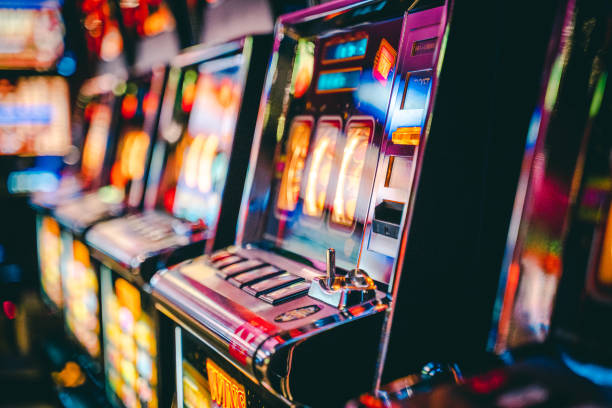
As societies evolved, so did the gambling establishments. The first modern casino, the Casino di Venezia in Italy, opened its doors in 1638 and set a precedent for future gaming houses. These establishments became social hubs where people from different walks of life gathered, not only to gamble but also to socialize and enjoy entertainment. Over time, the concept of casinos spread globally, adapting to local customs and regulations, further embedding them into the cultural fabric of society.
Today, casinos are a significant part of contemporary culture, often associated with glamour and excitement. They serve as attractions in tourist destinations, drawing millions of visitors each year. This blend of historical significance and modern entertainment illustrates how casinos have morphed from simple gambling spaces into complex social institutions, reflecting broader cultural dynamics and societal changes.
The Role of Casinos in Community and Economy
Casinos play a multifaceted role in local communities and economies. They generate substantial revenue for local governments through taxation and create numerous jobs, from dealers to hospitality staff. This economic impact often leads to improvements in public infrastructure, as funds are frequently allocated for community development projects and social services. In many regions, the presence of a casino can revitalize an area, transforming it into a bustling center of activity.
Moreover, casinos often serve as entertainment hubs, providing various activities beyond gambling, such as concerts, fine dining, and nightlife options. This diversification attracts a broader audience, including families and tourists, contributing to a thriving local economy. As a result, local businesses, such as hotels and restaurants, often benefit from the influx of visitors seeking a complete experience, further demonstrating the positive ripple effects casinos can have on their communities.
However, the economic benefits are not without concerns. The potential for gambling addiction and related social issues raises questions about the long-term impact of casinos on communities. Efforts to promote responsible gambling are crucial to mitigate these risks, ensuring that the economic advantages do not come at the cost of individual well-being and social stability.
Cultural Perceptions and Representations of Casinos
Casinos have long been portrayed in various forms of media, shaping public perceptions and cultural narratives surrounding gambling. Films, television shows, and literature often depict casinos as glamorous venues filled with intrigue, risk, and excitement. These representations, while entertaining, can sometimes perpetuate myths about gambling, glamorizing the lifestyle while downplaying the potential consequences of excessive gambling.
The portrayal of casinos in popular culture reflects societal attitudes towards gambling. For instance, movies like “Casino Royale” and “Ocean’s Eleven” depict high-stakes gambling as thrilling and exhilarating, often overlooking the darker realities that come with addiction and financial ruin. This romanticized view can influence individuals’ perceptions, leading to misconceptions about the nature of gambling and its associated risks.
Despite these portrayals, there is a growing awareness of the need for responsible gambling practices. As society becomes more educated about the potential dangers of gambling, there is a shift towards presenting a more balanced view in media representations. Initiatives promoting responsible gambling, alongside accurate portrayals of its risks, are becoming increasingly important in shaping cultural perceptions of casinos.
The Psychological Appeal of Gambling
Understanding the psychological appeal of gambling is crucial in comprehending why casinos hold such cultural significance. For many, the thrill of gambling stems from the excitement of uncertainty and the potential for instant reward. The unpredictable nature of games, whether it be slots or poker, triggers dopamine release in the brain, similar to the responses elicited by other forms of entertainment or risk-taking activities.
This psychological aspect of gambling can lead to a sense of escapism for many individuals. Casinos often provide an alluring atmosphere filled with bright lights, music, and excitement, allowing players to temporarily forget their everyday worries. This escape can be particularly appealing in stressful times, making casinos a refuge for those seeking a diversion from reality.
However, the addictive nature of gambling can also lead to significant psychological challenges. While the thrill of winning can create euphoric feelings, the potential for loss can lead to despair and financial hardship. Understanding this duality is essential for both players and operators, as promoting a healthy relationship with gambling becomes vital to ensuring a positive experience for individuals within the casino environment.

Amonbet: Redefining Online Gambling Culture
As the gambling landscape evolves, online casinos like Amonbet are redefining how individuals engage with games of chance. Launched in September 2023, Amonbet offers a vibrant platform that combines a user-friendly interface with thousands of slots and live casino games. This shift to online gambling not only broadens access but also caters to a diverse audience, making gaming more inclusive and adaptable to modern lifestyles.
Amonbet emphasizes security and fair play, operating under a recognized international gaming license. Utilizing high-level encryption to protect player data fosters trust and confidence among users. This focus on safety is crucial in an industry that faces scrutiny regarding responsible gambling practices, highlighting the importance of providing a secure environment for players.
Furthermore, Amonbet’s generous welcome package and ongoing promotions enhance the gaming experience, encouraging new players to explore the vast array of options available. By combining traditional casino offerings with innovative features, Amonbet exemplifies how online platforms are shaping the future of gambling, integrating entertainment with responsible practices to promote a positive cultural impact in society.